Start Saving Electricity With Lighting: How to Replace LED Bulbs Wisely
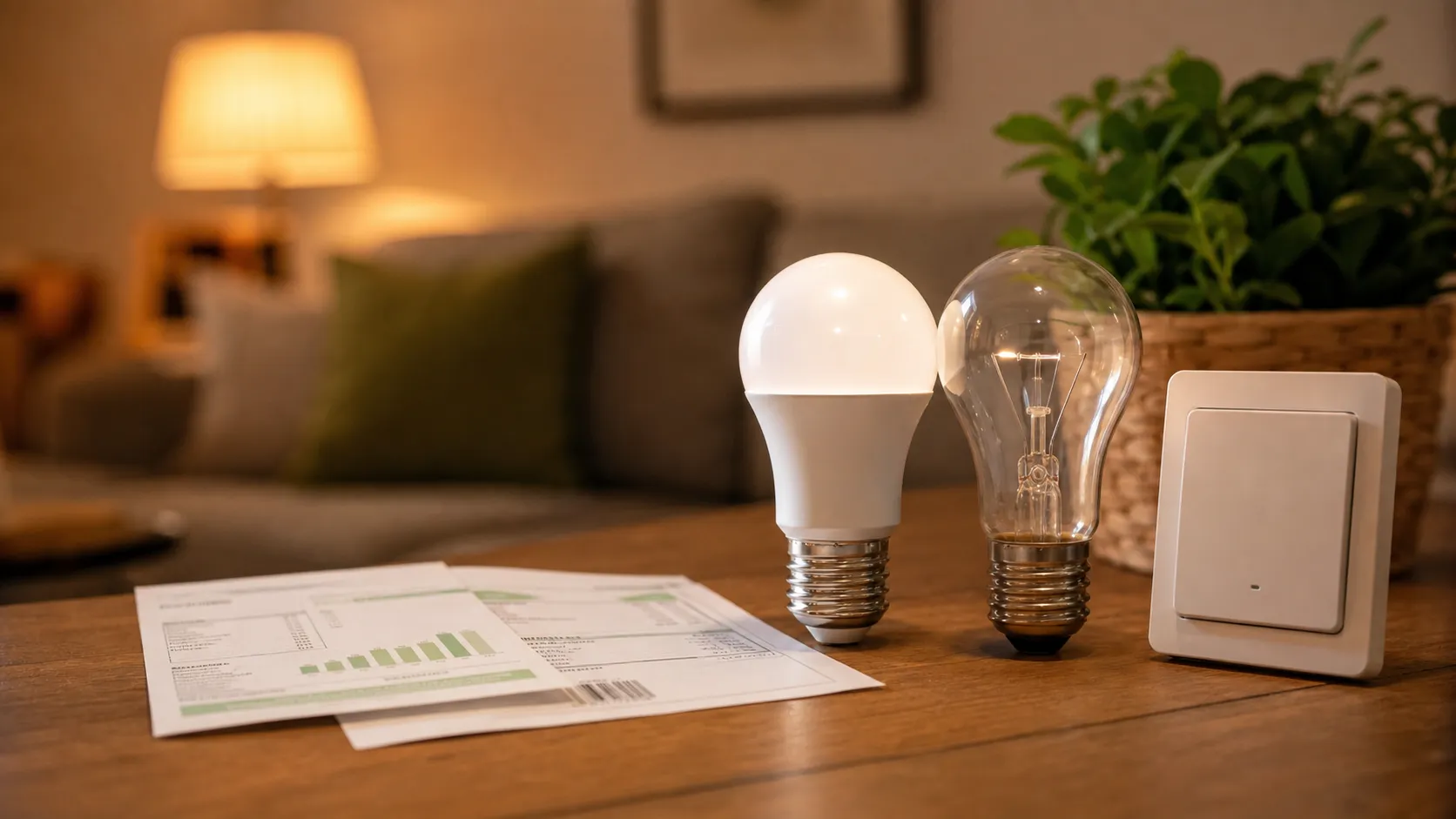
When people think about saving electricity, they often think first about refrigerators, air conditioners, or washing machines. For many households, lighting is an easier place to start. Bulbs are used frequently, replacements are inexpensive, and the change is simple.
The U.S. Department of Energy explains that residential LEDs, especially ENERGY STAR-rated products, use at least 75% less energy than incandescent lighting and last up to 25 times longer. Source: Department of Energy LED Lighting
Do not start by replacing every bulb randomly. The best order is to replace high-use areas first: living room, kitchen, stairs, hallway, entryway, basement, and home office. A light used 3 to 6 hours per day matters much more than a closet light used a few times a year.
Next, consider hard-to-reach fixtures such as high ceilings, stairway lights, and outdoor lighting. Longer LED life can reduce the hassle and risk of frequent replacement.
Bulbs are only part of the story. Controls can also help. Hallways, basements, garages, and storage rooms may benefit from motion sensors. Outdoor entry lights may work well with timers or dusk-to-dawn sensors. Bedrooms and living areas may benefit from dimmers. Kitchen and desk areas should prioritize usable brightness and appropriate color temperature.
When buying LEDs, do not focus only on watts. In the incandescent era, watts roughly shaped how people thought about brightness. With LEDs, lumens are the better brightness measure. Color temperature also matters: 2700K to 3000K is usually warmer and better for bedrooms and living rooms, while around 4000K may work better for kitchens, laundry rooms, and offices.
Practical Checklist
First, replace bulbs that are used for the most hours each day.
Second, choose ENERGY STAR-rated products when possible.
Third, compare lumens, not just watts.
Fourth, use warmer light in bedrooms and clearer neutral light in work areas.
Fifth, consider sensors or timers in hallways, basements, garages, and outdoor areas.
Sixth, keep purchase records so you can match color temperature later.
This article is for general energy-saving information only and is not electrical, renovation, or energy audit advice. Hire a qualified electrician for wiring changes.
Related Financial Decisions
Keep using the same cash-flow lens on related decisions.
Personal Finance in 2026: What AI Agents Can Help With, and What They Should Not Do
Agentic AI is moving from chat to task assistance. Learn how AI can help with budgeting, expense sorting, credit card comparisons, and bill reminders while avoiding privacy and financial risks.
techDo Not Pick Internet Service by '1Gbps' Alone: How to Read Broadband Labels
Internet plans should be compared by total price, upload speed, data limits, equipment fees, and post-promotion pricing, not just maximum download speed.
techWhy Your 1Gbps Internet Still Feels Slow: Router, Upload Speed, and Home Network Bottlenecks
Many households upgrade to 1Gbps internet but still experience lag. This guide explains why upload speed, router quality, Wi-Fi coverage, and device setup often matter more than advertised download speed.
SmartLiving Tools
Keep running the numbers with free practical tools.