How to Build a Family Emergency Kit: 7 Essentials to Start With
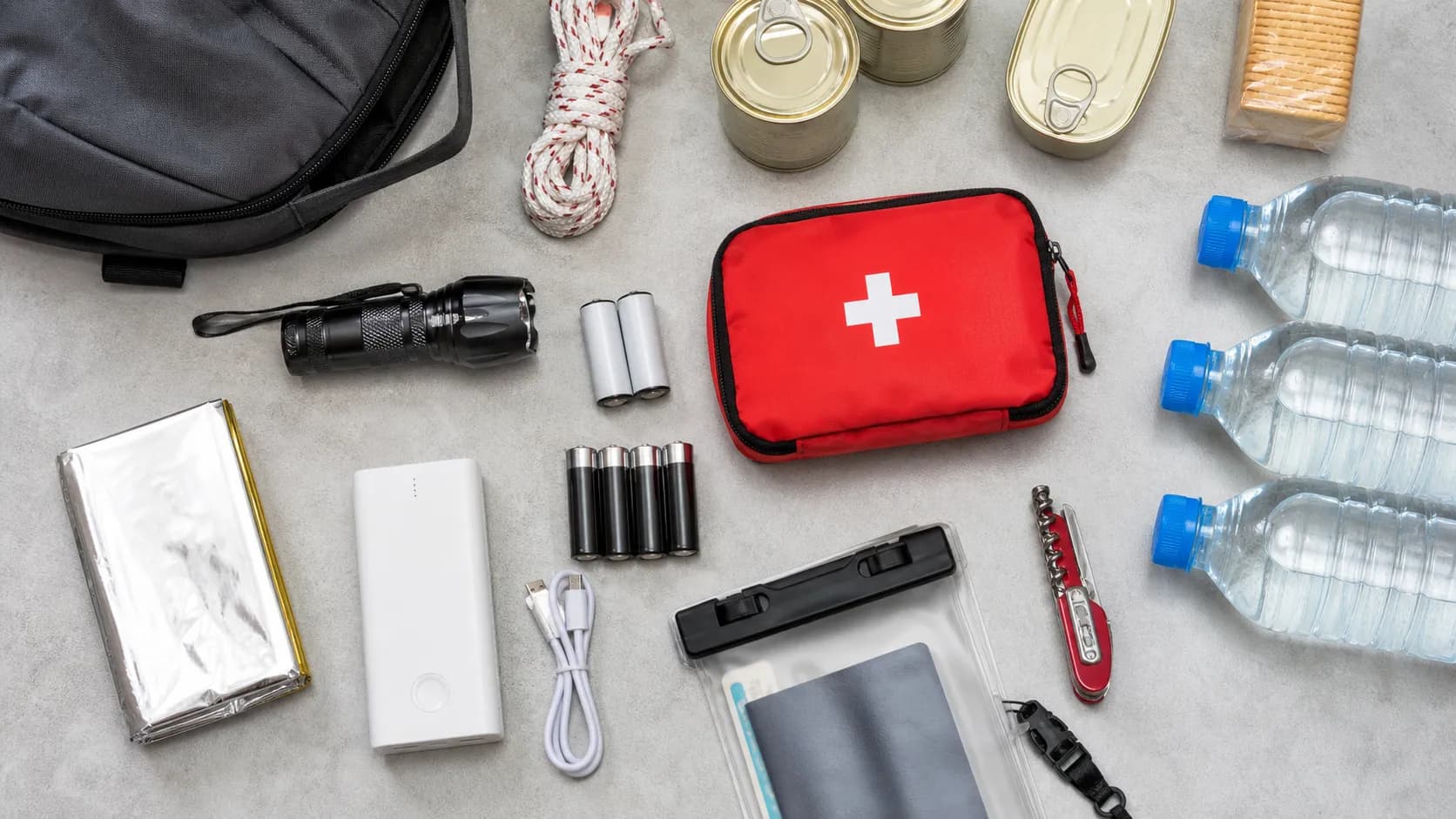
An emergency kit is not a “doomsday” item. It is basic household risk management. Even if you never face a major disaster, you may still deal with a power outage, a water interruption, severe weather, a winter storm, poor cell service, or a few days when leaving home is difficult.
Ready.gov recommends building a basic disaster supplies kit. Water comes first: at least 1 gallon per person per day for drinking and basic sanitation. Food should include several days of non-perishable items, such as canned food, energy bars, dry goods, and ready-to-eat meals. Source: Ready.gov Build A Kit
A practical household kit can start with seven categories: water, food, lighting, communication, medical supplies, sanitation, and important documents. For lighting, flashlights are generally safer than candles, especially when paired with spare batteries or hand-crank options. For communication, consider power banks, a car charger, and a battery-powered or hand-crank radio.
Medical supplies should go beyond bandages. Think about disinfectant, basic first aid items, and any daily medications used by household members. If someone in the family needs specific medical equipment or refrigerated medication, the emergency plan should account for that too.
Many families forget document backups. Copies of IDs, insurance information, property documents, bank contact numbers, and emergency contacts can be kept in a waterproof pouch. A secure digital backup can also help if your phone is lost, damaged, or out of battery.
You do not need to buy everything at once. Start with a 24-hour kit, then expand to a 3-day household kit, then customize based on your local risks. Flood-prone areas may need waterproof boots and rain gear. Cold-weather areas may need blankets, hand warmers, and car emergency supplies.
Practical Checklist
First, store enough water for each person for several days.
Second, choose food that does not require complicated cooking.
Third, keep flashlights, batteries, and power banks in a known location.
Fourth, review medications and first aid supplies every 6 months.
Fifth, back up IDs, insurance, and emergency contacts.
Sixth, make sure every family member knows where the kit is.
Seventh, check expiration dates for food, medicine, and batteries twice a year.
This article is for general household safety information only and does not replace guidance from local emergency management, fire, medical, or public safety officials.
Related Financial Decisions
Keep using the same cash-flow lens on related decisions.
If a Relative Calls Asking for Money, Pause First: How to Avoid AI Voice and Deepfake Scams
AI voice cloning and deepfake video can make scams sound like real family members, customer service agents, or executives. This guide uses FBI and FTC sources to explain household protection steps.
safetyThe 10-Minute Rule: A Simple Habit That Can Help You Avoid Scams
Scams increasingly look like normal bank alerts, customer service messages, investment opportunities, or family emergencies. This FTC-based guide explains practical habits that protect your money.
financeRevenue Grew. Why Did Operating Profit Fall? An Income Statement Walkthrough
Learn gross profit, operating income and net income with a fictional food business, then reconcile P&G's 2026 results. Includes worked calculations and two practice questions with answers.
SmartLiving Tools
Keep running the numbers with free practical tools.