The 10-Minute Rule: A Simple Habit That Can Help You Avoid Scams
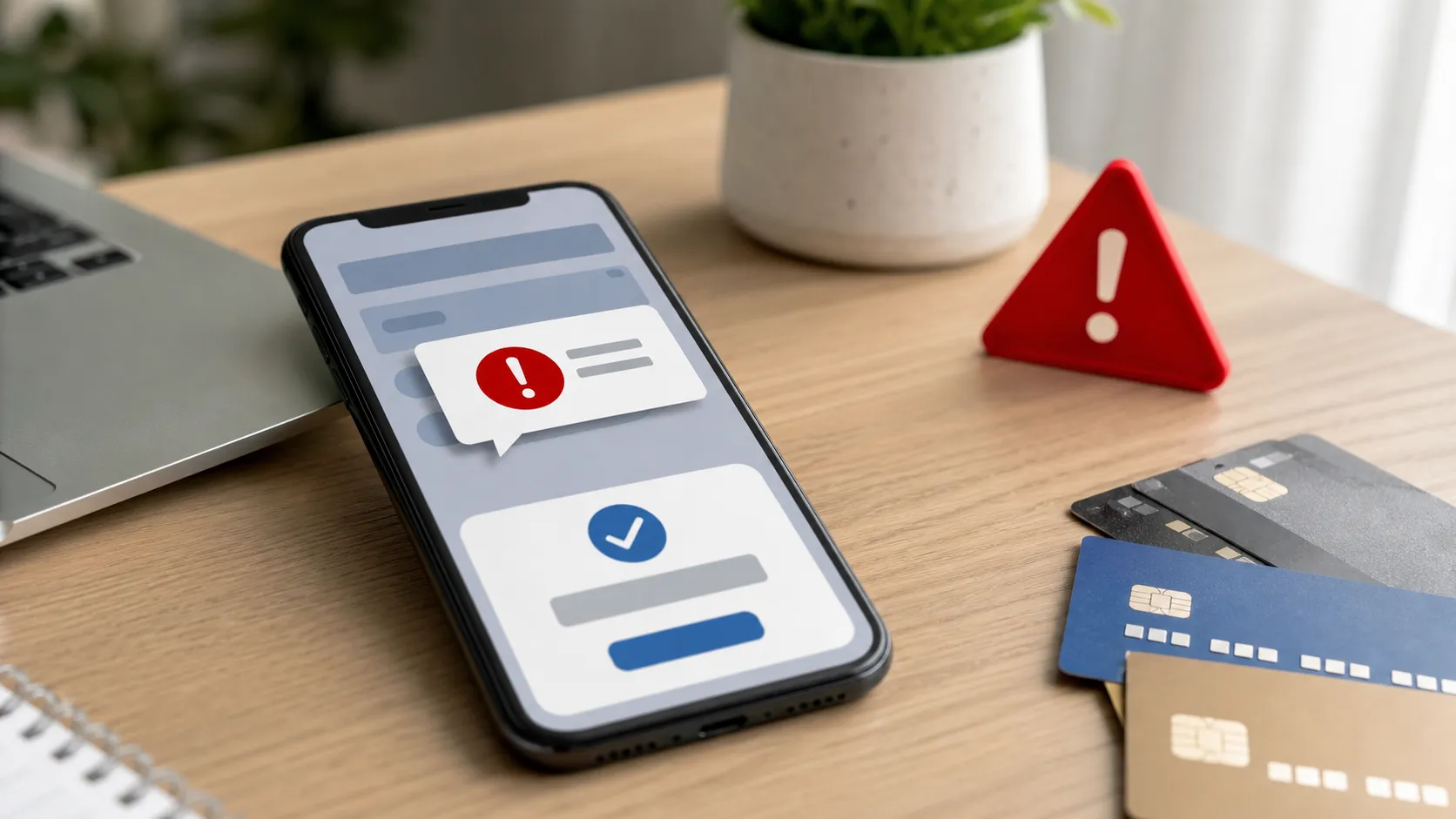
Modern scams are not limited to obvious spam calls. They may look like bank alerts, delivery updates, investment opportunities, platform support messages, tax notices, family emergencies, or even AI-generated voices that sound like someone you know.
The most useful habit is not memorizing every scam type. It is building one automatic pause: whenever a message or caller asks for money transfers, verification codes, remote access, gift cards, cryptocurrency, or immediate action, stop for 10 minutes.
FTC data shows that U.S. consumers reported losing more than $12.5 billion to fraud in 2024, a 25% increase from the previous year. That makes fraud a broad household risk, not just something that happens to “other people.” Source: Federal Trade Commission
Scammers often rely on three pressure points. The first is urgency: “your account will be frozen,” “your package is involved in a case,” “your child is in trouble,” or “this investment window closes today.” The second is authority: someone claims to be from a bank, government agency, police department, or major platform. The third is fear or greed: penalties, identity theft, prizes, or guaranteed returns.
The strongest defense is to avoid using the link, phone number, QR code, or app provided by the person contacting you. Instead, open your bank app directly, visit the official website yourself, or call the number printed on the back of your card. Anyone who asks for a one-time passcode, screen sharing, remote control access, or a transfer to a “safe account” should be treated as high risk.
Families can also create a verification rule. For example, any large transfer requires a phone call. Any request from a relative requires a video call or family passphrase. Any “customer service” request involving money is independently verified before action.
Practical Checklist
First, wait 10 minutes before sending money.
Second, do not click financial links in text messages.
Third, never share verification codes.
Fourth, do not install software requested by a stranger.
Fifth, avoid screen sharing for banking, investing, or tax matters.
Sixth, verify large requests through an independent channel.
Seventh, if you are scammed, contact your bank, the platform, and official reporting channels quickly.
This article is for general scam prevention information only and is not legal, financial, or cybersecurity advice.
Related Financial Decisions
Keep using the same cash-flow lens on related decisions.
If a Relative Calls Asking for Money, Pause First: How to Avoid AI Voice and Deepfake Scams
AI voice cloning and deepfake video can make scams sound like real family members, customer service agents, or executives. This guide uses FBI and FTC sources to explain household protection steps.
safetyHow to Build a Family Emergency Kit: 7 Essentials to Start With
Power outages, storms, water interruptions, and sudden emergencies can happen anywhere. This Ready.gov-based checklist helps ordinary households prepare a practical emergency kit.
financeRevenue Grew. Why Did Operating Profit Fall? An Income Statement Walkthrough
Learn gross profit, operating income and net income with a fictional food business, then reconcile P&G's 2026 results. Includes worked calculations and two practice questions with answers.
SmartLiving Tools
Keep running the numbers with free practical tools.